Beyond the Classroom: Educator Advocacy Through Community Partnership
JOIN ANYTIME - ONGOING REGISTRATION
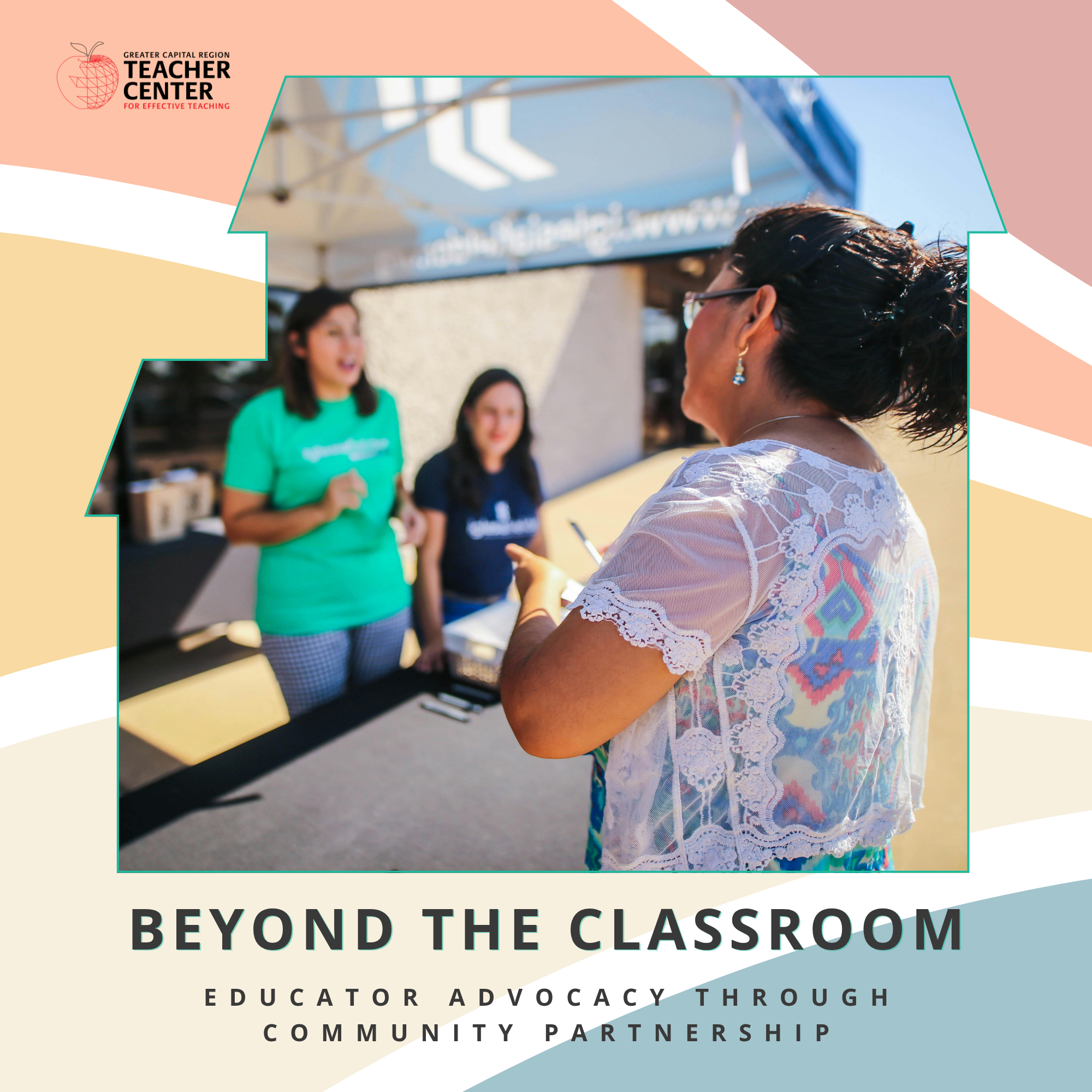
Educators see need every day - the student without a winter coat, the family choosing between groceries and utilities, the child who needs counseling but has no access to it. Recognizing need is only the first step; this course equips educators with the skills, frameworks, and practical tools to act on it.
Throughout this course, participants will learn the practice of community asset mapping - systematically identifying the organizations, resources, and networks already present in their community - and use that mapping to design sustainable, replicable systems of support for students and families. Rather than reinventing the wheel or relying on one-off charity efforts, educators will learn to build durable bridges between their schools and existing community resources: food pantries, health clinics, mental health providers, faith-based organizations, civic groups, and local businesses.
By the end of the course, each participant will have developed an Advocacy Action Plan - a concrete, implementable system (such as a coat drive, food pantry partnership, health/mental health referral pipeline, or holiday giving program) tailored to their own school community, complete with a community asset map, partner contacts, an implementation timeline, and a sustainability plan for years beyond the first.
This course is for any and all educators and school personnel who want to move from individual acts of goodwill toward systemic, sustainable advocacy work.
LEVEL: Awareness / Foundational Knowledge Building / Collegial Support
FORMAT: Synchronous and asynchronous learning opportunity
DATES/TIME: Synchronous online sessions: Thursdays, 9/24/26 and 11/5/26, 6:30PM-7:30PM; Asynchronous online period: 10/8/26-12/3/26
GCRTC FACILITATOR/CONTACT: Erica Boms Egdemir, GCRTC Teacher Leadership Coach for the Humanities
FEE: None. Registration is required.
CTLE HOURS: 15
REGISTRATION: https://tinyurl.com/3mbvhjcc